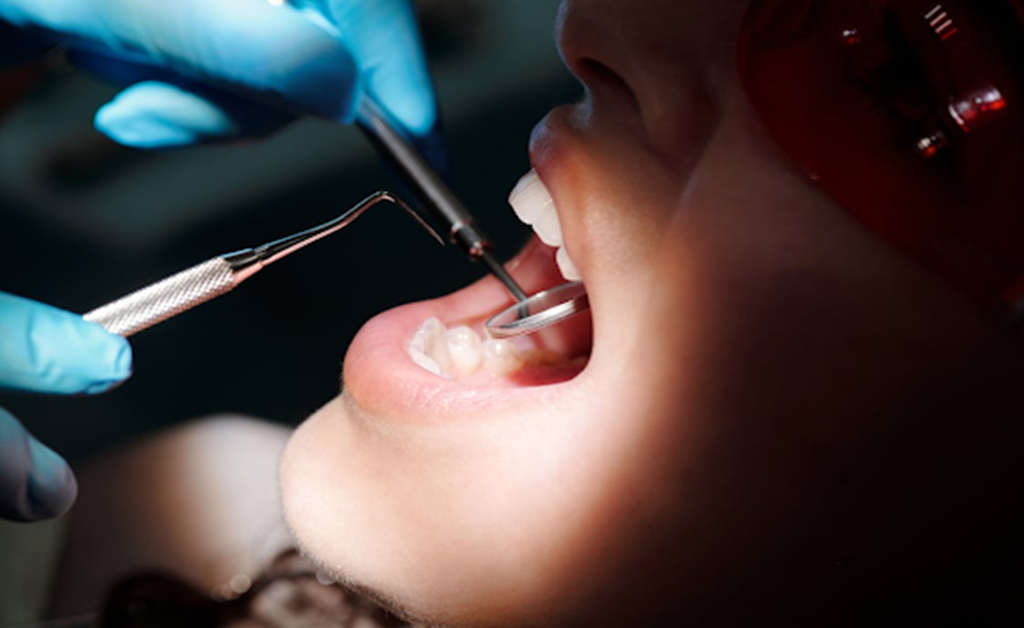
orthodontic braces

Why Braces Don’t Have to Hold You Back in the Arts

Braces are a big deal, especially when one is performing arts. Be it dance, drama, singing, or even playing a wind instrument, everyone is worried that the performance of the braces will affect their confidence in performance. 

But here is the best news: with braces on, one can enjoy and fully participate in these activities. In fact, wearing braces can make one more confident, happier, and expressive while on stage. 

Wondering how? Let’s explore the world where there are different types of orthodontic braces today to make shining easy, no matter which art form you perform.

Confidence Starts with a Smile

In the long run, braces build confidence among young artists. The smile of a student is a source of confidence onstage, from auditions for a school play to a show in a music recital. With many different types of orthodontic braces, from traditional metal to clear aligners, it’s easy to find something to suit your personality and comfort type. 

Some young artists even choose to wear their braces as an accessory. If you have clear or ceramic braces, people will notice less; colored rubber bands show everyone your creativity!

Singing and Speaking with Braces

You might be wondering if you are a singer or actor, braces will affect your voice or speech. And it is indeed true that it takes a little adjustment. Usually, most people get on well with braces in a few days, and the sound clarity is hardly affected. 

Practicing tongue placement and vocal exercises would help you adapt quickly. Talent and passion are far more important than what is on one’s teeth. With continuous practice, you probably won’t realize that you have braces at all!

Playing Instruments? No Problem!

Braces often raise concerns for musicians based on the instrument they might play. It could be the flute, trumpet, or clarinet. It might feel strange at first for the first few sessions, but this can be made to work easily. 

Orthodontists can provide wax or mouth guards specifically made for musicians; they help reduce friction and improve comfort. Once again, we are used to braces; even the technique adjusts accordingly. All you need is patience; every great musician faces these little hurdles while learning.

Modern Braces, Modern Comfort

Braces feel and look so much different today because of technology. Modern braces can be classified into different types, and the newer ones are becoming more comfortable and more effective than their predecessors. 

Lingual braces, suited behind your teeth, and clear aligners (for example, Invisalign) enable the artist to work without any visible metal brackets. This means keeping that beautiful smile alive while talking and performing in front of an audience, all the time with absolute confidence, while teeth are straightened in the background.

Summary

It is always about creativity and expression; braces are simply part of your unique journey. Rather than a hindrance, think of them as a stepping stone toward a more confident you when you get on and off the stage. With different types of braces available, there is no reason for them to hold you back. So go on with your singing, dancing, acting, or playing. Braces are just another reason to smile even more when the limelight shines!

Arts to Explore

Different Careers in Arts to Explore

Do you want to make a difference in the world with your creativity? Are you looking for a career that is both stimulating and rewarding? If so, then you should consider pursuing a career in the arts. There are many different options available to you, and no matter what your interests or talents may be, there is sure to be a perfect fit for you.

Music/Theater/Art Teacher

One option is to become a music, theater, or art teacher. With this career, you would have the opportunity to share your love of the arts with others and help them to develop their own talents. You would also be able to watch your students grow and progress over time, which can be very gratifying.

Visual Artist

Another option is to become a visual artist; this could involve painting, sculpture, or even graphic design. This is a fantastic career for those who have a strong creative vision and enjoy working with their hands. It can be very rewarding to see your artwork on display and know that you created it.

Session Musician

If you excel in a particular instrument, you could consider becoming a session musician. This involves playing music for other artists in the studio or even live on stage. It’s a great way to make a living while doing what you love, and you get to work with a variety of different people. Essentially, different artists can hire you for your expertise whenever they need it.

Backstage Crew

If you’re interested in working in the arts but don’t necessarily want to be front and center, you could consider joining the backstage crew. This team is responsible for everything that happens behind the scenes, from set design to lighting and sound. Backstage crew members work closely with the performers and directors to ensure that the show goes off without a hitch.

Illustrator

For those with a knack for drawing, a career as an illustrator might be the perfect fit. Illustrators create images that accompany stories, whether they’re in books, magazines, or online. In some cases, illustrators may also be responsible for designing the covers of these publications.

Graphic Designer

Graphic designers use their creativity to design layouts for advertisements, brochures, magazines, and other publications. They often work closely with illustrators and photographers to create cohesive designs. In addition to print media, graphic designers may also create digital designs for websites and apps.

Art Director

An art director is responsible for the overall look and feel of a publication, website, or product. They collaborate with graphic designers, illustrators, and photographers to create visual concepts that communicate messages clearly and effectively. Art directors may also be responsible for managing a team of designers and overseeing the production process from start to finish.

Art Therapist

Art therapists use art as a means of therapy to help individuals heal emotionally and mentally. They may work with patients who have mental illness, addiction, trauma, or other issues. Art therapists may use a variety of mediums including painting, drawing, sculpture, and collage. As you can imagine, art therapists need to have a strong understanding of both art and psychology.

Commercial Artist

Commercial artists use their artistic skills for advertising and marketing purposes. They may create billboards, logos, product packaging, and other visual materials. Commercial artists usually have a portfolio of their work to show prospective employers.

As you can see, many careers exist in the world of the arts, and we’ve only scratched the surface today. Why not explore your options further?